
Why Rent?
Owning an AED means more than buying equipment. It means ongoing liability, maintenance, and compliance. Here’s what that looks like, and how renting shifts that burden to us.
If You Own the AED, You Are Responsible for It
Purchasing an AED is a proactive step toward protecting your people. But ownership comes with ongoing legal and operational responsibilities that many organizations underestimate.
If an AED fails during an emergency due to missed maintenance or expired components, the liability may fall on the organization that owns it.
When your organization owns the equipment, you are responsible for:
- Performing regular inspections
- Maintaining written documentation
- Replacing expired pads and batteries
- Ensuring the unit remains fully operational
- Servicing and resetting the device after use
- Staying compliant with manufacturer guidelines
Without a clear plan, many organizations underestimate this until it becomes a problem.

Using an AED Is Only the Beginning
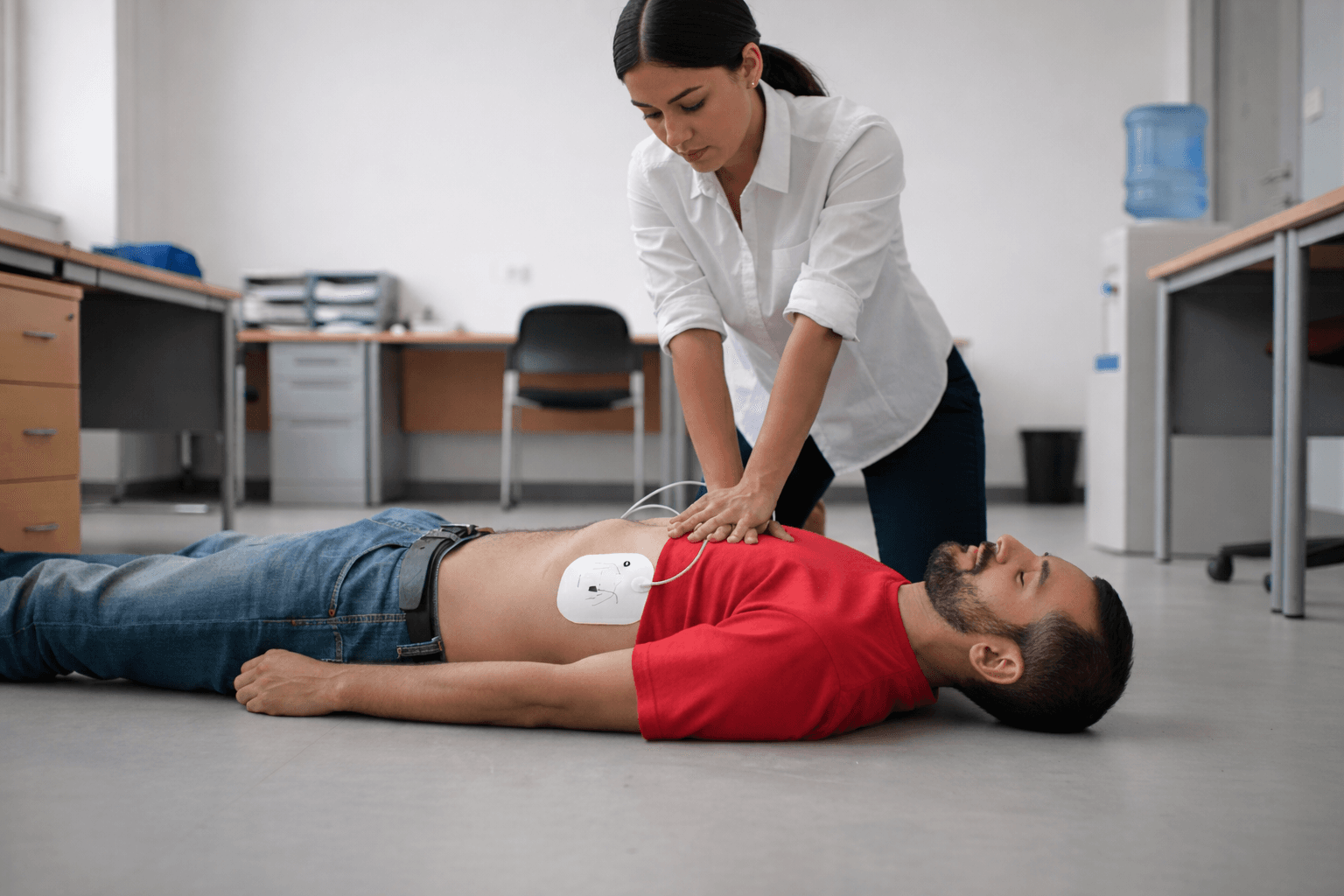
When an AED is used during a cardiac emergency, the focus is rightly on saving a life. But once the emergency ends, the equipment must be serviced, documented, and restored to readiness.
What actually happens:
- The unit may need to be evaluated or reset
- Event data may need to be downloaded
- Pads and batteries must be replaced
- Documentation must be completed
- The facility may be left temporarily without protection
Without a clear service plan, organizations can be left unprotected or out of compliance after a rescue attempt. Ongoing oversight ensures the device is restored properly and remains ready for the next emergency.
Renting Shifts the Burden to Us
With an AED Guardians rental, we handle inspections, documentation, post-use servicing, and compliance so your organization doesn’t have to. You stay protected and ready. We take care of the rest.